
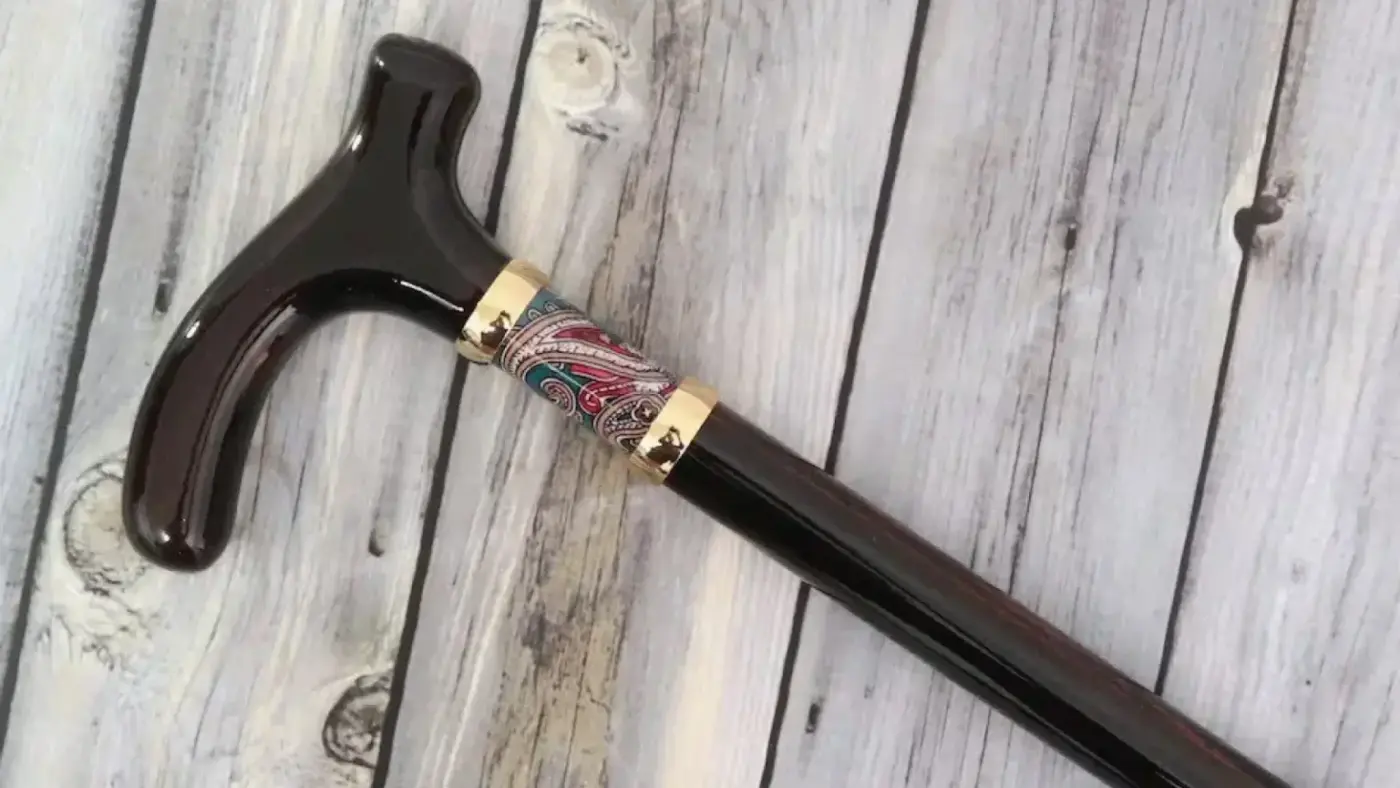
Ebony Walking Cane: Natural Character and What to Check Before Buying
Fall prevention involves a person’s physical abilities, surroundings, and choice of walking aid. Personal acceptance matters too: a cane should feel appropriate to the person carrying it, as well as meet their practical needs. Choosing a wooden cane means respecting both individual style and the requirements of everyday use.
An ebony walking cane appeals to people who appreciate dark wood grain and a classic silhouette. Its suitability, however, depends on the complete cane—its height, handle, weight, construction, and rubber tip—not simply the reputation of the wood.
What Gives an Ebony Walking Cane Its Character?
The visual appeal of an ebony walking cane comes from its dark tones, grain patterns, and the proportions of the handle and shaft. Actual color and grain depend on the timber used and the product’s surface treatment.
Some pieces have a more uniform appearance, while others show contrasting lines or changes in tone. Lighting can also change how the grain and surface sheen appear.
This understated style can complement formal clothing, knitwear, or everyday outfits. Although some designs are described as “gentleman’s canes,” the description refers to an aesthetic rather than a restriction on who can use them.
Natural Variation Is Different from Damage
Differences in grain and color can be normal features of wood; open cracks, loose parts, and obvious deformation should not be dismissed as natural variation.
Look beyond the pattern itself. Check whether the surface is smooth, the handle is secure, and the shaft has any visible openings or unusual bends. If a line looks like a possible crack, ask the supplier to assess it before using the cane for support.
What Does “Ebony” Tell You About the Material?
The name “ebony” alone does not establish the exact species, origin, or properties of a finished cane. Ask the supplier what timber is used and which parts of the product contain it.
For example, the International Tropical Timber Organization’s timber database includes an ebony entry for the specific species Diospyros ebenum. Information about that species should not automatically be applied to every product sold under the name ebony. [1]
Before buying, clarify:
Whether the supplier provides a species name or a clear material description.
Whether ebony is used in the handle, shaft, or another component.
Whether the cane includes other woods, metal, or plastic.
Whether the surface has been stained, coated, or otherwise treated.
What sourcing information is available for the timber.
Color, weight, and grain can help describe a product, but they are not reliable substitutes for material identification.
For retailers and importers, precise material descriptions also help avoid unsupported claims in product listings.
Does a Polished Surface Make the Cane Waterproof?
A polished appearance does not prove that an ebony walking stick is waterproof. The surface you see and touch may reflect sanding, polishing, and an applied finish as well as the wood itself.
Care instructions should therefore be based on the actual product and its finish. Do not assume that a smooth or glossy cane can tolerate soaking, prolonged dampness, or any wood-care product.
A Good Grip Matters More Than Extra Shine
A suitable handle should feel smooth and controllable in the hand. A highly glossy finish is not necessarily a better choice if the handle slips or rotates during use.
When trying the handle, check:
Whether your palm rests naturally on its shape.
Whether the handle turns too easily in your hand.
Whether an edge creates concentrated pressure.
Whether the surface feels rough, sticky, or unusually slippery.
Do not apply oil, furniture wax, or polish simply to make the cane shinier. Confirm compatibility with the original finish and the manufacturer’s instructions first.
Is an Ebony Cane Stronger or More Stable?
The wood’s properties alone cannot establish the strength or stability of a finished cane. Timber selection, dimensions, construction, joints, condition, and intended use all need to be considered.
A hard or heavy material does not provide a load rating for the complete product. Likewise, an expensive wood does not compensate for a cracked shaft, a loose handle, or an unsuitable height.
A simpler cane may be the better choice for a particular user if its fit, handling, and specifications are more appropriate.
Assess the Complete Weight and Balance
The weight of an ebony walking cane should be checked from the finished product’s specifications and, where possible, by trying it. Shaft length, thickness, handle design, and decorative fittings all affect weight and balance.
Some people enjoy a more substantial feel. Others may find the same cane tiring to lift and reposition.
The practical question is whether you can lift, move, and place the cane comfortably and consistently. If you drag the tip, swing your arm excessively, or become tired while handling it, compare another configuration rather than choosing by wood type alone.
Five Things to Check Before Buying an Ebony Walking Cane
Start with fit and construction, then choose the grain and styling you prefer from the suitable options. This keeps appearance part of the decision without allowing it to replace practical checks.
| Check | What to Confirm | What Is Not Enough |
|---|---|---|
| Height | Whether the cane fits the user’s standing posture and intended use | The listed overall length alone |
| Handle | Whether the size, shape, and surface feel comfortable and controllable | Decorative shape or carving |
| Weight and balance | Whether the complete cane is easy to lift and position | Timber density or a heavy feel |
| Construction and specifications | Intended use, stated limits, secure joints, and shaft condition | The value or reputation of the wood |
| Rubber tip | Secure fit, sound condition, and availability of a suitable replacement | The appearance of the wooden parts |
For a fixed-length cane, confirm the required height before ordering. If shortening is possible, ask the supplier how it should be done and how the tip will be refitted. Avoid cutting the shaft yourself and forcing on an incorrectly sized tip.
A cane sold for display, collecting, or costume use should not be assumed suitable for walking support. Confirm the intended use of the finished product.
How Should You Care for an Ebony Walking Cane?
Routine care should focus on gentle cleaning, keeping the cane dry, and checking its condition. Dense wood should not be treated as immune to moisture-related movement or damage.
The USDA Forest Products Laboratory explains that wood moisture responds to surrounding humidity and that appropriate drying, handling, and storage help limit dimensional changes. [2]
For everyday care:
Remove dust with a soft, dry cloth.
If the product instructions allow damp wiping, use a well-wrung cloth and dry the surface afterward.
After rain exposure, wipe away moisture and allow the cane to dry in a shaded, ventilated place.
Avoid prolonged storage in damp containers, bathrooms, or hot vehicles.
Check the handle, shaft, joints, and rubber tip while cleaning.
Follow the supplier’s instructions for the specific finish. Do not assume that a treatment suitable for bare wood is suitable for a finished walking cane.
Stop Using the Cane for Support if It Cracks or Loosens
A visible structural crack, rotating handle, loose joint, or damaged tip requires attention before further support use. Contact the original retailer or manufacturer for assessment.
Do not cover a suspected structural problem with paint, wax, or glue and continue using the cane. Improving its appearance does not establish that its strength has been restored.
Avoid testing the cane by jumping on it, deliberately bending it, or hanging your body weight from it.
When Should You Reconsider the Type of Walking Aid?
If someone has substantial weakness, pain, or balance difficulties, the choice of walking aid should be assessed before deciding on wood or styling. MedlinePlus notes that crutches or a walker may be more appropriate when a cane does not provide sufficient support. [3]
Seek advice from a doctor, physical therapist, or occupational therapist if:
Falls or near-falls happen repeatedly.
Standing or walking requires substantial support.
Wrist pain or numbness persists during use.
Surgery or an injury involves weight-bearing restrictions.
Walking remains noticeably unstable with the current cane.
A well-chosen cane also cannot remove hazards such as wet floors, loose rugs, or cluttered pathways.
This article provides general material and selection information. It does not replace an individual medical or rehabilitation assessment.
DEERMED’s View: Classic Style Should Work in Everyday Life
An ebony walking cane can be appreciated for its dark grain, proportions, and natural character. Those qualities are most useful when the finished cane also offers an appropriate height, manageable weight, comfortable grip, and sound construction.
At DEERMED, material choice is considered alongside how a cane is held, moved, and used. A preference for dark wood is a valid reason to explore a design; it does not need to be presented as proof of superior performance.
If you are comparing ebony walking canes, wooden handles, or related products for personal use or a product range, confirm the actual materials, dimensions, finished weight, intended use, and available configurations.
Frequently Asked Questions
Questions about ebony walking canes often concern color, material identification, surface changes, and replacement parts. The answers below explain what to verify with the supplier before making a decision.
Is an ebony walking cane always completely black?
No. Color and grain can vary with the timber used, the part of the wood selected, and the surface treatment. A completely black appearance does not, by itself, prove the species or quality.
Ask for clear photographs of the actual product from several angles, together with a material description. Dark areas, lighter lines, or contrasting grain should be assessed in that context.
Can I identify ebony by putting the cane in water?
A sink-or-float test cannot reliably identify a timber species or establish the quality of a finished cane. Immersion can also expose the finish, joints, and other components to unnecessary moisture.
Request species and sourcing information from the supplier instead. If formal identification is needed, consult a qualified wood-identification service rather than testing the finished cane in water.
Will an ebony walking cane become shinier with use?
Its appearance may change through handling, cleaning, and wear, but increasing shine is not guaranteed. Surface gloss is not a reliable measure of quality or structural condition.
Follow the care instructions for normal wear. If the surface becomes sticky, starts peeling, develops cracks, or suddenly feels slippery, ask the supplier to identify the cause before applying oil or polish.
Is an ebony walking cane a suitable surprise gift?
It can be a thoughtful gift when the recipient likes the style, but height, handle shape, and weight should ideally be confirmed with the person who will use it.
Before ordering, ask about sizing, adjustment, and any applicable exchange conditions. Confirm the required length before a fixed-length cane is shortened, because the removed length cannot simply be restored.
Can I replace only the rubber tip and keep using the cane?
Yes, if the tip is the only worn component and the handle, shaft, and joints remain in sound condition. Ask the supplier to confirm the correct replacement tip and fitting method.
Check the shaft-end dimensions, tip opening, and installation requirements. If the cane also has cracks, deformation, or a loose handle, replacing the tip alone does not resolve those problems.